I remember the day I decided to invest in my first professional nail supplies. I had been using a random collection of drugstore files, cheap clippers, and a cuticle nipper that had seen better days. My manicures were fine—but they were never great. Then a mentor handed me her kit and said, “Tools are the difference between a job and a craft.”
She was right. Here is everything I have learned about what a professional nail technician actually needs, and how to use each tool correctly.
The Core Toolkit: What Every Professional Needs
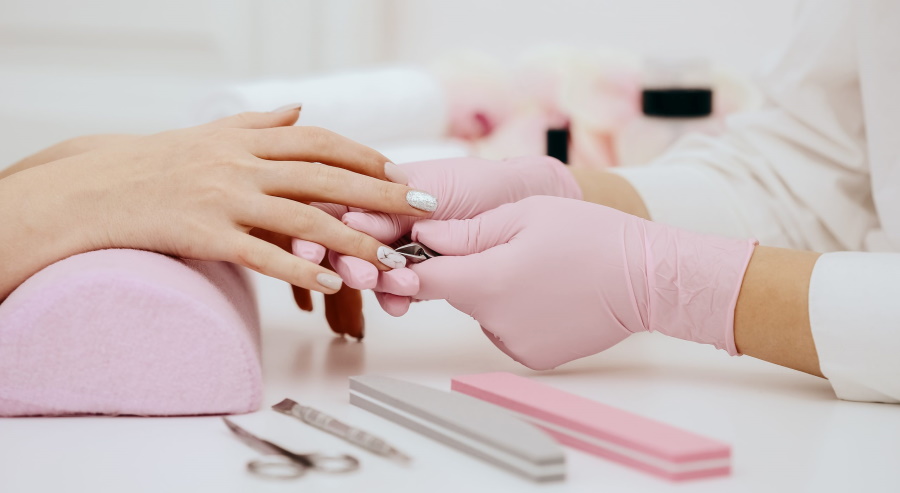
A professional toolkit is not about having the most tools—it is about having the right tools. Quality over quantity is the rule.
Nail clippers. The foundation of any kit. Professional clippers have sharp, stainless steel blades that cut cleanly without crushing the nail. Look for a straight edge for toenails and a slightly curved edge for fingernails. Dull clippers are the quickest way to damage a nail.
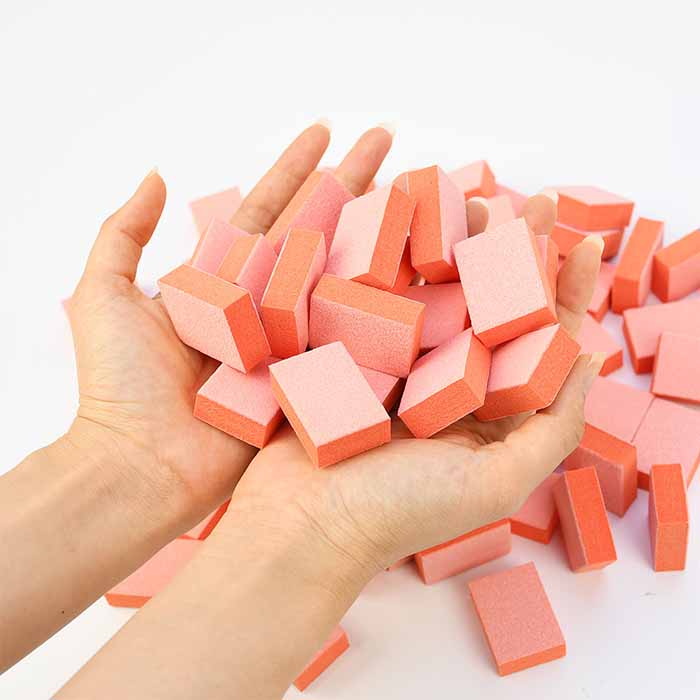
Nail files and buffers. Professionals use files in various grits. A 100‑150 grit file is for acrylics and hard gels. A 180‑240 grit file is for natural nails. A buffer (240‑400 grit) smooths ridges and adds shine. Glass files are a professional staple—they seal the nail edge as you file, reducing peeling.
Cuticle pusher. A dual-ended metal pusher with a flat edge for pushing back the proximal nail fold and a pointed end for cleaning under the free edge. Wooden orangewood sticks are disposable and hygienic, perfect for one‑time use.
Cuticle nippers. Sharp, precision‑tipped nippers for trimming only loose, dead skin. Quality nippers have perfectly aligned blades that close cleanly. Cheap nippers tear rather than cut and leave ragged edges.
Nail scissors. Curved or straight blades for precise trimming and removing hangnails. Professional scissors are made from stainless steel and hold their edge through repeated use.
Tweezers. For placing rhinestones, picking up small items, or removing debris. Slanted‑tip tweezers offer the best control for detailed work.
Nail brush. A small brush with firm bristles for cleaning under the free edge and removing dust after filing.
Acrylic brush. For acrylic application. Professional brushes have tapered, rounded edges and are made from natural kolinsky sable hair. They hold the perfect amount of product and create smooth, even beads.
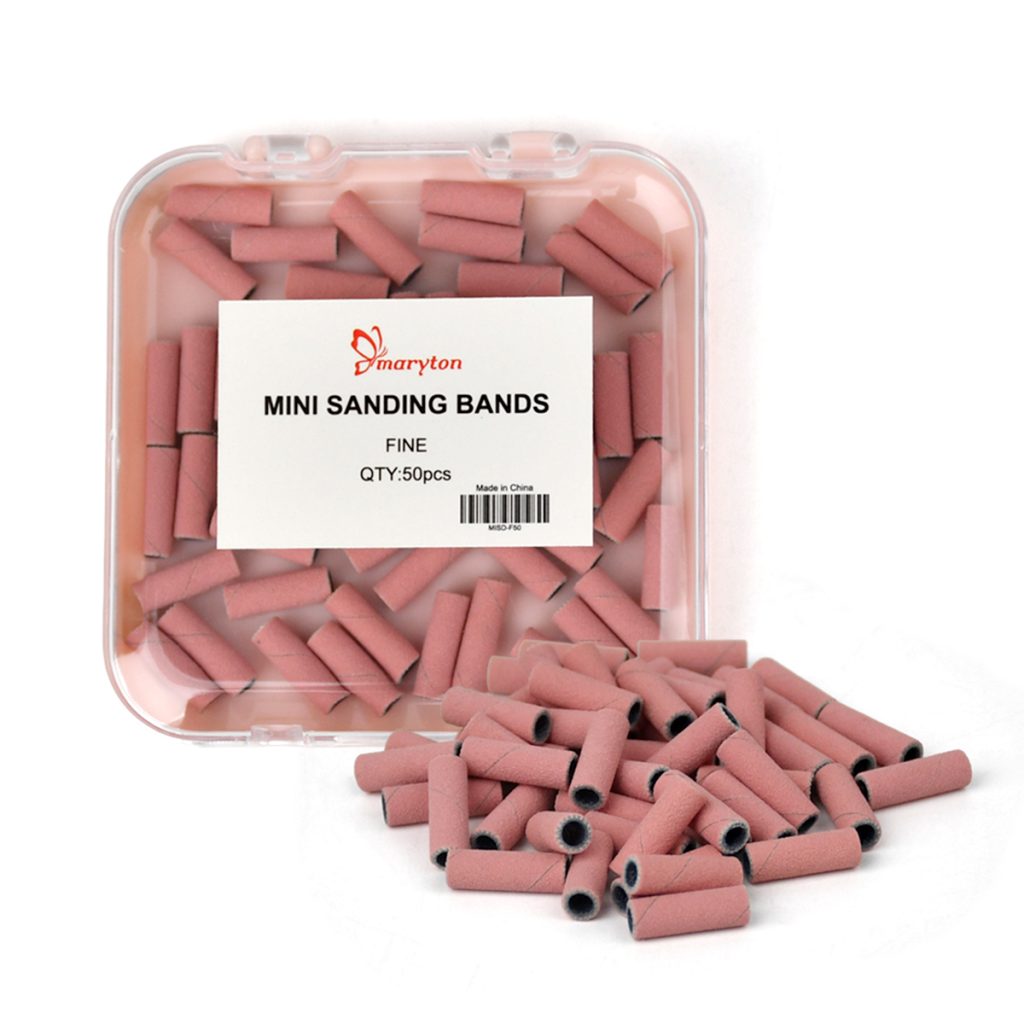
E‑file and bits. An electric file with variable speed and interchangeable bits. Standard bits include diamond bits for cuticle work, carbide bits for removing product, and sanding bands for surface smoothing.
UV/LED lamp. For curing gel polish. A professional lamp has adequate wattage, even light distribution, and timers. LED lamps cure in 30‑60 seconds; UV lamps take 2 minutes.
Gel products. Base coat, colour gels, top coat, builder gel, and primer. Professional products are tested for safety, have consistent viscosity, and offer reliable curing.
Sanitation supplies. Disinfectant solution, sterilisation pouches, and a UV steriliser. Metal tools should be disinfected between clients. Disposable items like files and wooden sticks are single‑use.
Storage. A clean, organised case or pouch to protect tools and maintain hygiene.
How to Use Each Tool Correctly
Having the tools is only half the battle. Knowing how to use them safely and effectively is what separates a professional from an amateur.
Nail clippers. Always clip straight across for toenails—never round the corners, which can lead to ingrown nails. For fingernails, follow the natural curve of the nail bed. Cut in one clean motion; do not saw or twist. Dull clippers crush the nail, creating jagged edges that are hard to smooth.
Nail files. File in one direction only—never saw back and forth. This creates micro‑tears that lead to peeling. Hold the file at a 45‑degree angle to the nail tip for shaping. Use lighter pressure than you think you need. Let the file do the work.
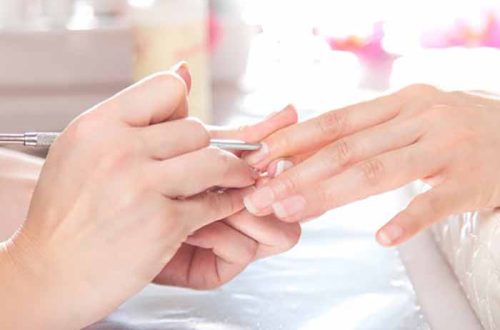
Cuticle pusher. Use the flat end to gently push back the proximal nail fold. Work from the centre outward. Never push too hard—the skin should move, not tear. Use the pointed end to clean under the free edge. Soak nails first to soften the cuticle for easier work. Only trim loose, dead skin with nippers—never living cuticle.
Cuticle nippers. Only trim skin that is clearly dead and loose. Hold the nippers parallel to the nail and snip in one clean cut. Do not pull or twist. If you are unsure whether skin is dead or alive, do not cut it. Over‑cutting is the number one cause of infection.
Nail brush. Use a damp brush to clean under the free edge and around the nail. Brush gently—do not scrub the nail surface, which can damage the plate.
E‑file. Start at the lowest speed setting. Keep the bit moving constantly to avoid heat buildup. Use diamond bits for cuticle work, carbide bits for product removal, and sanding bands for smoothing. Never use a carbide bit on natural nails. Match the speed to the task—slow for cuticles, medium for gel removal, faster for acrylic bulk removal.
UV/LED lamp. Cure for the manufacturer’s recommended time. LED cures faster, but not all gels are LED‑compatible. Always check the product label. Under‑cured gel is sticky and peels; over‑cured gel can become brittle and may cause heat spikes during application.
Acrylic brush. Hold the brush like a pencil. Dip it into the liquid monomer, then tap it against the side of the dappen dish to remove excess. Dip into the powder to form a bead. Roll the bead onto the nail and shape with light, even pressure. Clean the brush with monomer after each use, and never leave it sitting in the liquid.
Sanitation. Disinfect all metal tools after each client. Wash with warm soapy water, then soak in a hospital‑grade disinfectant solution. Allow tools to air dry or use a steriliser. Store clean and used tools separately to prevent cross‑contamination.
The Bottom Line
A professional toolkit is an investment in your craft. Quality tools last longer, work better, and protect both you and your clients. But tools alone do not make a professional—technique does. Master each tool, practice safe habits, and treat your equipment with respect. Your clients will notice the difference in the quality of your work, and your nails will show it.